The winner is delighted!
Today’s business world is permeated by technology, and companies of all sizes rely on digitalization projects to remain competitive. From automating business processes to implementing artificial intelligence – digitalization offers a wealth of opportunities. Yet, amidst this technological progress, there is a crucial component that is often overlooked or neglected: documentation.
In this blog post, I aim to illustrate the necessity and the associated added value of good documentation.

Project completed, here is the documentation!
Everyone is surely familiar with the saying “those who write, remain.” However, fewer and fewer user companies consider this necessary. The effort and the perceived added value at the time of creation often seem disproportionate.
Consequently, it’s easy to take the path of least resistance and simply not document, or only do so rudimentarily.
But are companies well-advised to rely on others without knowing what was agreed upon, what happened, and why? Everyone should be able to answer this question for themselves quite easily.
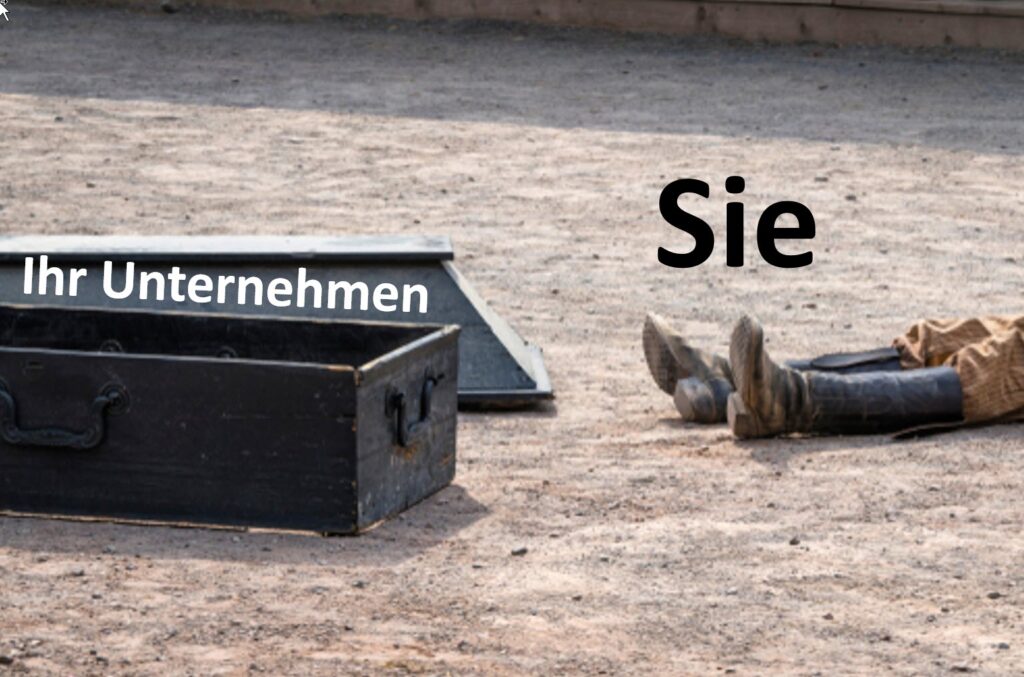
Imagine your company has just completed an exciting digitalization project. New software has been implemented, processes have been optimized, and efficiency has significantly improved. Everything seems to be running perfectly. But then an unexpected problem arises. The new software crashes, and no one on the team knows how to fix the issue. Or even worse: the employee who led the project leaves the company without sharing their knowledge. Suddenly, the company faces a serious problem.
This is where the importance of documentation comes into play. If a digitalization project is not properly documented, it can lead to devastating consequences:
Loss of Knowledge and Traceability
Employees come and go. Without adequate documentation, valuable insights and information are lost. The wheel is constantly reinvented, wasting time, resources, and patience.
Furthermore, due to a lack of knowledge, it is often no longer possible to trace why certain decisions were made. Especially when something goes wrong, the blame game begins, and no one wants to be held responsible.
Troubleshooting and Maintenance
Technical problems are inevitable. Without clear documentation, troubleshooting is time-consuming and frustrating. Well-documented projects make it possible to quickly identify what went wrong and resolve issues efficiently.
Scalability
If a project is successful, companies often want to scale. Without documentation, however, scaling becomes a nightmare. Documentation ensures that other teams or departments can seamlessly build upon the project.
Continuity
Documentation ensures continuity. If the original team is no longer available, new members can easily join the project and maintain progress.
This is especially true when there is a change of personnel at the implementing vendor. During a project, when there’s a change, one often feels like they have to start from scratch to integrate the “newcomers” into the project.
Compliance and Security
Many industries have strict compliance requirements. Documentation is necessary to demonstrate adherence to these regulations. It also helps minimize security risks.
This is particularly true for topics such as data migration. Because anyone who does not precisely document what happened to the data here can certainly experience a “rude awakening” in the form of high audit fees from the auditor.

Documenting Business Processes, but How?
Always be the first to receive the latest news, interviews, and expert articles?
To avoid such difficulties, companies should focus on comprehensive documentation of their digitalization projects from the outset:
Project Description and Project Goals
Create a project description and document the project’s goals and expected outcomes. This provides clarity regarding the project’s purpose.
Requirements and Specification Documents
A digitalization project without requirements or specification documents is actually inconceivable, but under the guise of agility (see my blog post), some providers try to sweep this under the rug, and users find it very tempting at first glance.
However, one should not succumb to this temptation, because then you will certainly draw the short straw 😉
Process Descriptions
Whether with MS-Visio® and Co. or in another form, the target processes are important documentation to achieve your project goals. Well-visualized, these are often very helpful for all stakeholders and serve to ensure success through verifiable implementation.
Architecture and Design
Describe the technical architecture and design in detail. This facilitates later maintenance and scaling.
Step-by-Step Guides
Create guides for installation, configuration, and maintenance. These serve as a valuable resource for the team.
Code Documentation
Comment the code extensively to explain how different parts of the software function. This aids in troubleshooting and expansion.
Meetings with Tasks and Decisions
Document meetings with attendees, topics, decisions, and resulting tasks, and then monitor them.
Lessons Learned
Record the challenges encountered during the project and how they were overcome. This knowledge can benefit future teams.
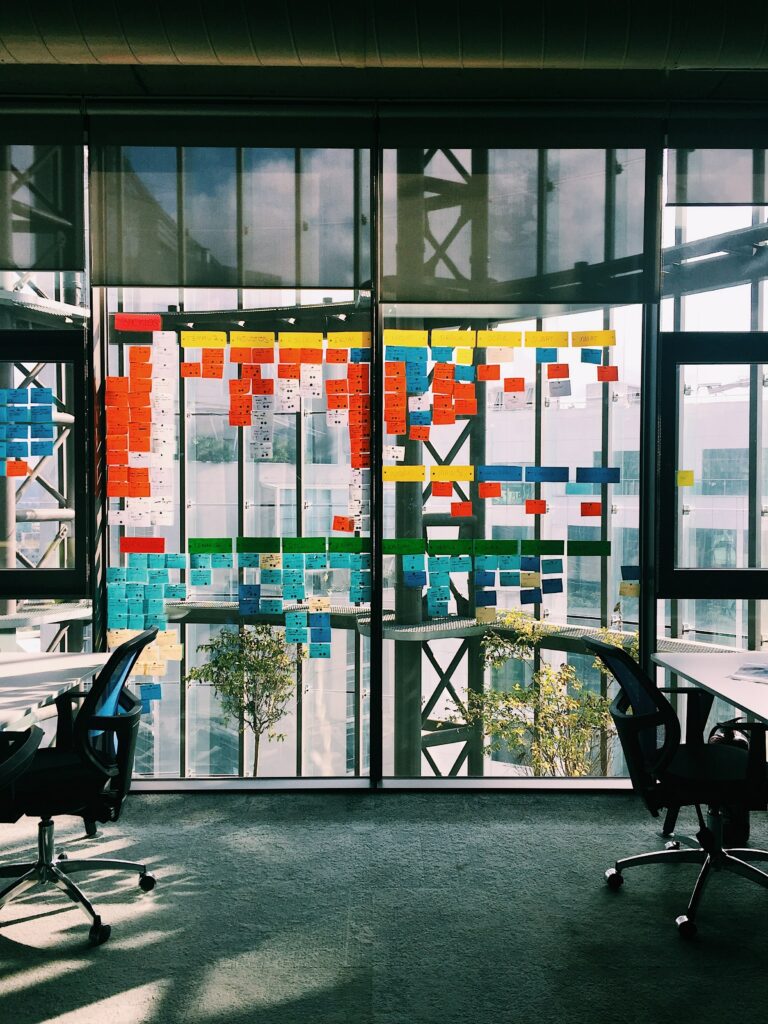
Great in a workshop, but rather unsuitable as permanent documentation
Without the right tools, documentation becomes tedious and inefficient
Neither a blank sheet of paper nor an empty MS-Word® page are suitable documentation tools.
For everything, there should be appropriate templates and storage media.
Whether in MS-Sharepoint®, in the project management tool, or in your own document management system.
For manuals, there is software or tools, and for protocols, acceptances, etc., templates should always be available from the provider or consultant.
Choose the Right Time for Documentation
If the meeting was the day before yesterday, it’s too late. Those who document should always do so on the spot. Ideally, the documentation is finished before everyone leaves the meeting. This isn’t always possible, but it should definitely be a goal.
Retrieval Needs to Be Organized
It’s great if you’ve documented everything, but you can’t find any of it when you really need it.
Therefore, it makes sense to create structures that enable retrieval. Otherwise, why go through all that effort?
Don’t Forget to Review
Someone who has documented like a champion either has no need to look at it because everything went so well (rarely the case) or simply forgot that this documentation exists.
A requirements specification is often the best example of this, because providers are particularly pleased if you forget about it during the project and then proceed with acceptance. Not such a good idea!
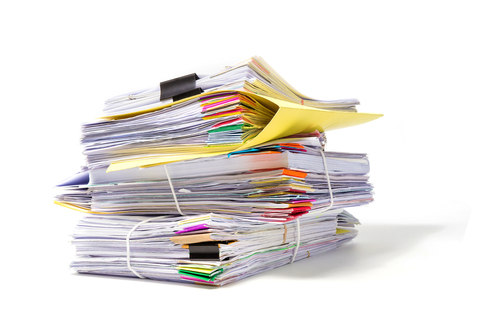
Please quickly find the documentation from the workshop. Good luck!
Conclusion
Documentation is not an afterthought but an integral part of every digitalization project. It can make the difference between a successful project and a costly fiasco. Those who do not document their digitalization project risk not only the loss of knowledge but also valuable opportunities and resources.
In today’s dynamic business world, it is essential to plan for the future. And meticulous documentation is the key that opens the door to this success – both in times of stability and in unexpected emergencies.
Because in the end, user companies want to have the “better cards” when it comes to the blame game of who is at fault and who bears the associated costs and efforts.
Those who document well always win this poker game!
If you enjoy my blog articles and want to benefit from my knowledge and experience in your own digitalization project, you should quickly arrange a free initial consultation. Click here for the appointment request link.
You can also find details on many of these topics in my book “Digitalization in Industry, Trade, and Logistics” here via the link.
“Those who write, remain” and win in digitalization poker!
Image sources: Shutterstock and Unsplash