Data Migration in Digitalization: Why is “data garbage” merely relocated in almost all projects?
In today’s digital era, data migration has become a critical step when replacing legacy systems with modern technologies.
Companies worldwide invest considerable resources in digitalization projects to optimize their operations, increase efficiency, and remain competitive.
However, data migration often presents a major challenge, as many projects merely relocate so-called “data garbage” instead of actually cleansing and structuring the data.
In this blog post, we will examine this phenomenon more closely and shed light on the reasons behind this problem.
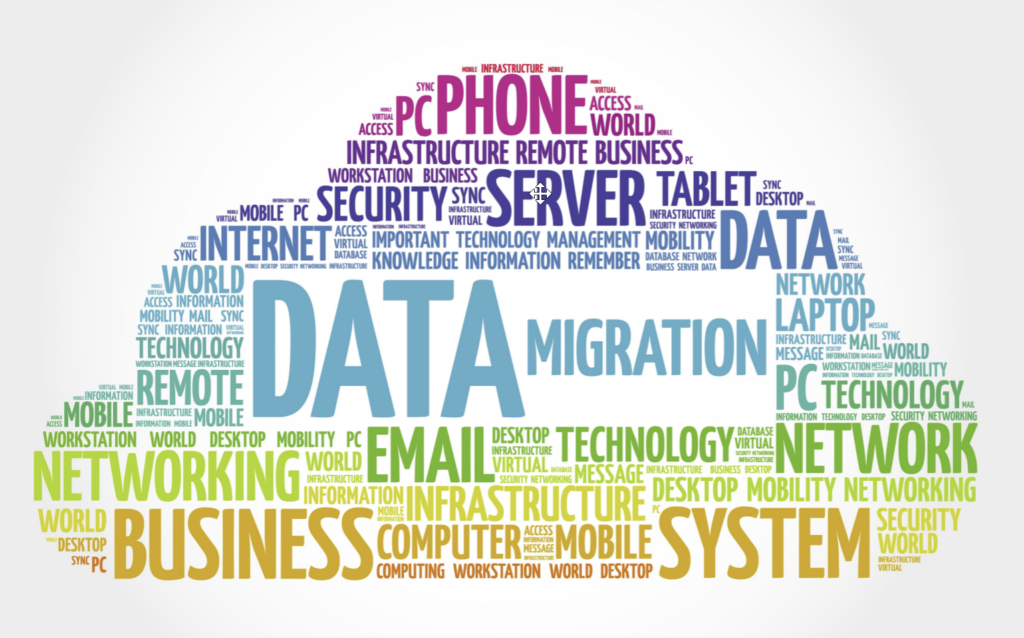
There are many aspects to consider in data migration
What is data migration and why is it important?
Data migration refers to the process of transferring data from an old or outdated system to a new, modern system. It is critically important to ensure that all relevant information is transferred to the new system to guarantee seamless operations and business continuity.
Additionally, in many business areas, data must be enriched because it was not previously available or required in this form.
Successful data migration enables companies to access reliable data to make informed business decisions and better address future challenges.
Why is “data garbage” merely relocated?
Unfortunately, many companies struggle to perform efficient data migration, and it frequently occurs that so-called “data garbage” is simply relocated from one system to another. This phenomenon can be attributed to various factors:
- Time pressure and limited resources: In many digitalization projects, time and resources are under pressure. Companies often have ambitious timelines to complete their technology upgrades, and this can lead to thorough data cleansing and structuring being neglected.
- Lack of data quality: When data in legacy systems is already of poor quality, migration to a new system can exacerbate the problem. Migration merely transfers errors and inconsistencies to the new system, leading to distorted results and inefficient processes in the long term.
- Missing clear goals and strategies: Another problem is that some companies have no clear goals and strategies for data migration. When no clear plan exists, data is often moved uncontrollably without regard to its relevance or utility.
- Resistance to change: Sometimes there is resistance to change within a company, especially when it comes to revising data processes. This can lead companies to take the easier path and retain existing data structures, even when they are inefficient.
- No suitable tools for cleansing and data enrichment. MS Excel® alone is typically not the adequate solution.
Why thorough data cleansing and structuring are important:
Data migration offers a valuable opportunity to improve data quality and correct inefficient processes. Thorough data cleansing and structuring can provide the following benefits:
- Reliable business decisions: Clean and well-structured data enables decision-makers to make informed and reliable business decisions based on precise information.
- Efficient processes: Proper data structure leads to more efficient business processes and increases employee productivity, as time is not wasted searching for relevant information.
- Compliance with regulations: In some industries, there are strict regulations regarding data retention and security. Thorough data cleansing can help ensure compliance with these regulations.
- No fear of the auditor. There are guidelines and rules based on which the auditor also examines data migration for accuracy and completeness. Those who cannot precisely demonstrate what happened to the data, how it was modified or archived, can face a significant problem that may also become very costly.
Always receive the latest news, interviews, and technical articles? Then quickly sign up for the newsletter. You’ll learn everything first.

The often overlooked auditor.
Is he smiling because your migration project is superbly documented or because he just earned so much from the extensive audit?
Conclusion
Data migration in digitalization is a critical step to keep companies competitive and efficient. Unfortunately, in many projects, “data garbage” is merely relocated instead of actually cleansing and structuring the data. Companies should be aware that thorough data cleansing and structuring can offer significant benefits, including reliable business decisions, efficient processes, and compliance with regulations. It is therefore crucial to use data migration as an opportunity to improve data quality and thus prepare for the digital future.
Therefore, ask yourself the following questions:
- Do we have a documented strategy?
- What methods do we apply in migration?
- What tools do we use (not MS Excel®) to enrich, modify, or archive data?
- Will the migration withstand an auditor’s examination?
- Are our knowledge and skills sufficient, or would it be better to seek advice from a migration expert?
If you are uncertain and want to save time and costs, maximize the efficient use of your new solution, and minimize the risk of failure, then simply schedule a free initial consultation with me. We will be happy to discuss these topics.
Tip: If the software vendor says “No problem, we’ll do it with MS Excel®,” all your alarm bells should be ringing!
Image sources: shutterstock