Or, “how to become an independent digitalization company”
Does Your Digitalization Consultant Really Make You Independent?
Many companies bring in a consultant when it comes to complex digitalization projects. The expectation is clear: experience, expertise, and solutions that work.
But what happens after the project? Can you apply the methods and analyses yourself—or do you remain dependent on the consultant?
The honest answer determines whether you benefit long-term or only see short-term results.
Two Types of Consultants—and Which One Really Benefits You
There are fundamentally two types of consultants:
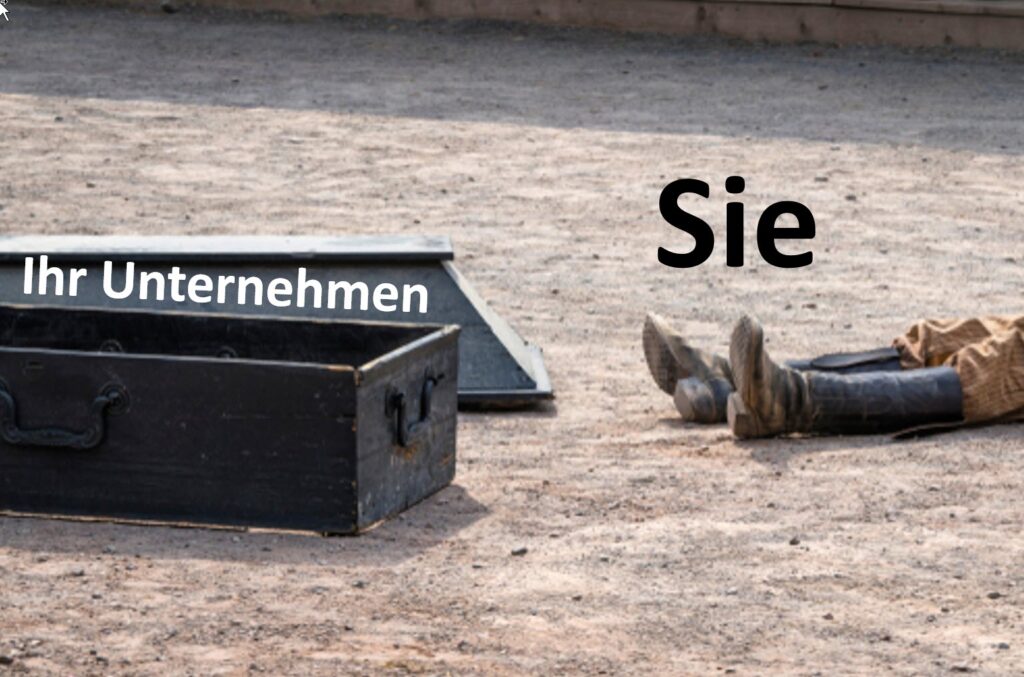
– The “I’m here to stay” type
– He delivers results without making the steps transparent.
– Methods, tools, and analyses remain his trade secret.
– You must repeatedly engage him to implement adjustments or new projects.
The “I make you independent” type
– He discloses all methods and analyses.
– You receive complete access to the tools used.
– He ensures genuine knowledge transfer so you can handle much of it yourself in the future.
I clearly belong to type 2—because my best reference is a client who only needs me when truly new challenges arise.

The journey is also the destination!

Consulting methods should not be “secret”!
Always be the first to receive the latest news, interviews, and expert articles?
Consulting on Equal Footing Instead of Lecturing
I don’t believe in the model “You’re the client, I tell you what to do.”
I believe in partnership: You know your company, I know the tools and strategies—together we develop the best solution.
This doesn’t mean there won’t be uncomfortable truths at times. But it does mean you always understand why I recommend something, and the final decision rests with you.

The lecturing consultant is not the right one for you
Conclusion—Become an Independent Digitalization Company
With the right consultant, you build internal knowledge, make informed decisions, and are no longer dependent on individual persons.
You engage consulting only when it delivers genuine added value—not because you cannot proceed without it.
This approach has proven successful in my projects: Repeat clients with up to four different projects—entirely without cold calling.
Best to schedule a free initial consultation here via the link!

A good consultant leaves when the project is completed. But is also gladly invited back.
Image sources: Shutterstock, ChatGPT