Why agile digitalization projects fail so often – and then the dachshund is to blame again!
Agile project management methods have undoubtedly revolutionized the way we approach software development and project work. Yet despite all their advantages and successes, some agile projects end unexpectedly in chaos. Why does this happen?
In this blog post, we examine the reasons why agile projects occasionally land in chaos and how these pitfalls can be avoided.
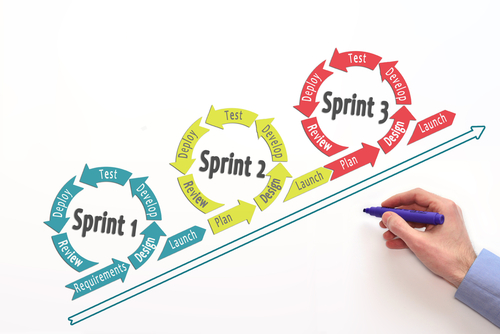
Agile projects must remain manageable, otherwise chaos looms
Let’s look at the various problem aspects of agile projects:
Unclear or missing goals
Agile methods emphasize flexibility and continuous adaptation, which can often lead to project goals not being defined clearly enough. When project goals are unclear or poorly communicated, the team may struggle to maintain focus and set priorities correctly. Without clear goals, there is no guideline, which can lead to confusion and ultimately to chaotic conditions.
Lack of communication and collaboration
Agility thrives on collaboration between team members, customers, and stakeholders. If communication is insufficient or if team members do not work together effectively, misunderstandings can occur and important information could be lost. The result is a lack of transparency and a disrupted workflow that can plunge the project into chaos.
Lack of training and employee skills
“Only the genius survives in chaos”. But how many project geniuses do you have in your company? Anyone who thinks they can simply throw the project manager, key users, or other team members—both internal and external—into an agile project is already making the first big mistake.
Or would you let someone chauffeur you in your car who has neither a driver’s license nor has ever driven a real car? Probably not.
Excessive adjustments and lack of stability
While agility offers the opportunity to adjust to changes, excessive adaptability can be counterproductive. Frequent changes to requirements and goals can lead to the project never really gaining momentum or even being completed.
Constant back-and-forth can waste resources and keep the project in a state of instability.

Agile projects require many “unplanned” expenses that sometimes seem never-ending
Always be the first to receive the latest news, interviews, and expert articles?
Lack of commitment and personal responsibility
Agile teams are often encouraged to be self-organized and make decisions independently. However, if team members are not sufficiently committed or do not take the necessary personal responsibility, this can lead to a lack of engagement and motivation.
Without committed team members, the project may fall behind schedule as no one takes responsibility for project progress.
Neglect of planning and control
Although agile projects emphasize flexibility, they still require a certain degree of planning and control. If these aspects are neglected, the project can get out of hand. A lack of structure and clear guidelines can lead to the team losing control over project progress and increasing chaos.
Lack of tools for planning, control, and goal monitoring
Agile must not mean that everyone does what they want, when they want, and how they want. Here, too, structures and rules are needed. Especially regarding project management, suitable tools should definitely be utilized.
Supervision by the “one-eyed among the blind”
Anyone who wants to successfully handle an agile project should use the right people with the right skills and the appropriate tools.
It is not enough if only internal resources act as the “one-eyed among the blind” and lead them through the project.
External coaching without the “internal blinders” can be very valuable in this process.

Who wants to entrust their agile project to this “one-eyed among the blind”?
Conclusion: Finding the Balance
Agility can be extremely successful in the right environment, but it is important to find the right balance. Clearly defined goals, open communication, appropriate planning, and a healthy dose of personal responsibility are crucial to keeping agility on track. Agile project management requires a conscious and balanced approach where flexibility and structure go hand in hand to maximize the potential for success and minimize chaos.
Anyone who wants to find out whether agile project management is suitable for their own digitalization project and which requirements or tools are needed is welcome to contact me for a free initial consultation.
Simply arrange an initial, free consultation. Click here for the appointment request link.
Agile Projects: Flexibility or Chaos?
Image sources: Shutterstock